Digital Sexual Violence
08 December 2025
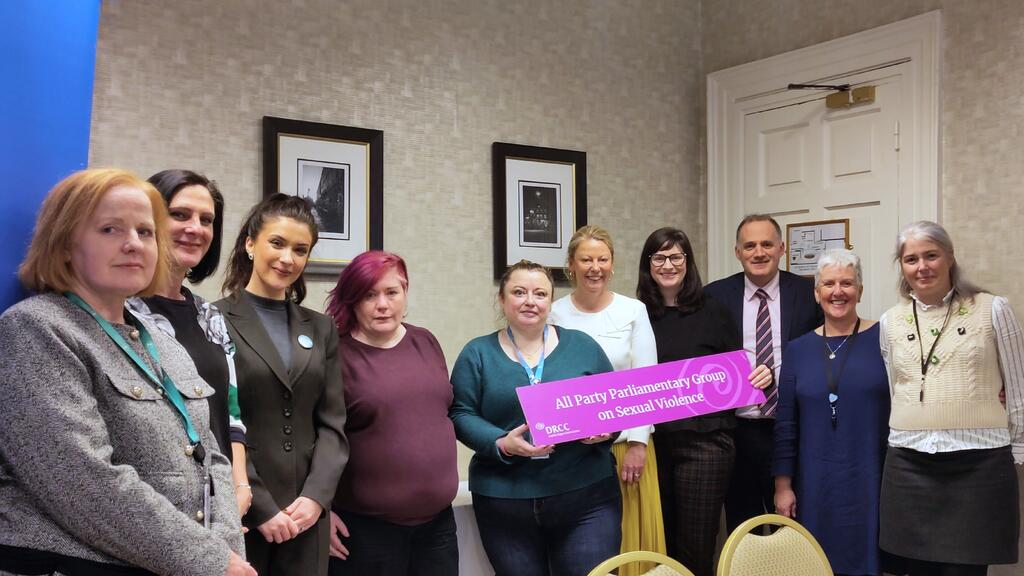
On December 4th, 2025, during the global 16 Days of Activism Against Gender-Based Violence, Ireland’s All-Party Parliamentary Group (APPG) on Sexual Violence convened in Dublin to focus on one of the most rapidly evolving threats facing women and girls today: digital sexual violence. The session brought together policymakers, advocates, and experts including Sarah Benson (CEO, Women’s Aid), Gemma Kelly (Policy Lead, SERP Institute), and Cara Hunter (MLA, SDLP), with discussion chaired by Rachel Morrogh, CEO of the Dublin Rape Crisis Centre (DRCC).
With deepfakes, AI-generated abuse, and image-based sexual violations now part of daily online life, especially for women in public life and youth, the group met to discuss policy reform that matches the pace of technology.
Digital Abuse as a Continuum of Violence
Sarah Benson of Women’s Aid was unequivocal about the growing reach and impact of tech-facilitated abuse. She explained that online abuse rarely occurs in isolation. In the context of domestic violence, perpetrators are using spyware, fake accounts, and relentless digital surveillance to isolate and control their victims.
This kind of abuse leads to what Benson called “an overwhelming sense that there's simply nowhere to hide from your abuser.”
The fear sense of powerlessness inflicted online is as profound as any physical violence. Too often, however, it is still treated as less serious by the legal system.
“Silent Violence” in Plain Sight
Gemma Kelly focused on the role of online pornography and how it shapes real-world expectations of sexual behaviour. She highlighted how mainstream online content has become increasingly violent, describing it as “silent violence against women and girls” that is “extremely violent and misogynistic,”
What is most alarming, Kelly said, is how easily accessible this content is to children. “We need, first and foremost, age verification in Ireland so children will not access this kind of content,” she urged.
Without regulation, Irish youth are being raised on a diet of violent and degrading sexual material, normalising harmful sexual attitudes and behaviours at a young age.
Kelly also called for stronger legislation to shift how digital platforms are held accountable. "We need to stop the type of content that is being created online,” she said.
Deepfakes, Democracy, and Dignity
Cara Hunter called for stronger legislation of deepfake videos. Having endured through the creation of AI-generated clip designed to humiliate her and damage her political career, she noted that policies “do not meet the ever-changing needs when it comes to this advancing technology.”
Deepfakes, Ms Hunter noted, are being used not only to shame and silence women but to destabilise democratic processes. And if female politicians are being targeted in this way, she asked, “what message does that send to young women who want to lead?”
Policy in the Public Interest
Throughout the meeting, speakers returned to one central theme: Ireland’s legal and regulatory systems must urgently evolve. Rachel Morrogh called for “really strong legislation that not only will prevent sexual violence in the future, but will protect people who’ve been harmed by it”
She pointed to areas where Ireland is falling behind, including the regulation of AI-powered tools that create sexualised content, the takedown of abusive images, and holding platforms accountable for the content they host.
Legislators in attendance echoed this call. TD Naoise Ó Muirí said he was surprised by the extent of the problem, especially how accepted violent content has become among youth. “As legislators, we have to look at this,” he said. “Clearly the UK have grappled with this quite a bit; they made some progress, and we'll have to do this.”
Similarly, TD Ruth Coppinger praised the “incredible” information shared and expressed particular concern about deepfakes. She referred to them as “a really big worry now and something that the UN identified as a newer form of abuse.”
Insight to Action
The All-Party Parliamentary Group meeting underscored the growing urgency to address digital sexual violence through a multi-pronged approach: law reform, public education, and survivor-centred support systems.
As Ms Morrogh highlighted, deepfakes and other online harms “come at women and girls regularly, throughout the day,” and there are clear steps the government can take to stop that harm. That means investing in education around consent and digital literacy; introducing comprehensive legislation to tackle deepfakes, cyberflashing, and abusive pornographic content; and ensuring Gardaí, courts, and frontline workers are equipped to respond to these complex forms of abuse. It also means listening to survivors, many of whom are still fighting to be believed.
The All-Party Parliamentary Group on Sexual Violence is convened and facilitated by Dublin Rape Crisis Centre. It’s cross-party nature, as Morrogh noted, “means that by coming together, we can achieve much more change.”